Session Media

Videos and facilitator inserts for each FORGE session — watch them here, or download them for class

Download Before Class

The classroom has no internet, so download each session's videos and its facilitator insert ahead of time and test them on the playback device.

Short videos

Each session has one or two videos of about two to five minutes. They get the session started or set up a segment; they do not replace the facilitator. Captions are burned in, so they work with the sound low.

A facilitator insert

A one-page plan for the full two hours that keeps every segment of the Facilitator Guide, shows where each video plays, and adds discussion questions.

A suggested talk

Most sessions add a short outside talk. Those belong to TED and other publishers and are not hosted here: each one links to YouTube. The insert explains how to get a copy you can play in class.

Jump to: Week 1 Week 2 Week 3 Week 4 Week 5 Week 6 Week 7 Week 8 Week 9 Week 10 Week 11 Week 12 Week 13 Week 14 Week 15 Week 16 Week 17

What FORGE Is

The whole program in under five minutes: being a stakeholder, the three phases and their gates, and the research FORGE is built on. For staff, visitors, families and new participants.

Orientation and Community Building

Welcome to FORGE

Welcome to FORGE 4:28

Plays right after the opening go-around.

Why FORGE exists, the stakeholder idea, what a FORGE mentor is, the three phases, and the elevator speech on screen. Ends on the stakeholder question.

Download video · 26 MB

For the facilitator

The one-page plan for the full two hours: when each video plays, the outside talk, and discussion questions.

Download insert · PDF

Outside talks — published by others, watch on YouTube (not hosted here)

Suggested talk · on YouTube

Why your worst deeds don't define you 11:47

Shaka Senghor (TED) · also on ted.com

Watch on YouTube ↗

Building the Container

The Circle 1:53

Plays first, with the talking piece in the center.

Where circles come from, the talking piece, and the five rules. Ends on the first round's question.

Download video · 8 MB

Your Journal 1:23

Plays at the journaling segment.

Why FORGE writes, the four kinds of writing, and tonight's prompt.

Download video · 5 MB

For the facilitator

The one-page plan for the full two hours: when each video plays, the outside talk, and discussion questions.

Download insert · PDF

Outside talks — published by others, watch on YouTube (not hosted here)
Suggested talk · on YouTube

The power of vulnerability 20:02

Brené Brown (TED) · also on ted.com

Watch on YouTube ↗
Short alternative · on YouTube

Brené Brown on Empathy 2:53

Brené Brown (RSA) · also on thersa.org

Watch on YouTube ↗

Service Over Self

Service Over Self 1:41

Plays at "What Is Service?"

What service is not, what it is, and four examples from the dorm.

Download video · 10 MB

Three Programs 1:37

Plays at "Learning from Other Programs."

PEP, GRIP and RSVP, and the discovery they share.

Download video · 13 MB

For the facilitator

The one-page plan for the full two hours: when each video plays, the outside talk, and discussion questions.

Download insert · PDF

Outside talks — published by others, watch on YouTube (not hosted here)

Suggested talk · on YouTube

Everyday leadership 6:00

Drew Dudley (TED) · also on ted.com

Watch on YouTube ↗

Optional · on YouTube

Healing inside prison

Jacques Verduin and Fateen Jackson (TEDxSanQuentin)

Watch on YouTube ↗

How Thinking Works

Thinking Controls Behavior

Thinking Controls Behavior 2:24

Plays at the start of Part 1 of the Instruction segment, right after Review & Reflection.

The big idea, the Think-Feel-Act cycle one link at a time, and Man A and Man B side by side; ends on "What was different between Man A and Man B?" held for 20 seconds.

Download video · 10 MB

The Thinking Report 2:05

Plays at the start of the Practice/Exercise segment, after the blank templates are handed out.

The five columns, the guide's chow-line sample filled in column by column, and how a different thought changes the chain; ends on the exercise prompt held for 20 seconds.

Download video · 7 MB

For the facilitator

The one-page plan for the full two hours: when each video plays, the outside talk, and discussion questions.

Download insert · PDF

Outside talks — published by others, watch on YouTube (not hosted here)

Optional · on YouTube

How to make stress your friend 14:15

Kelly McGonigal (TED) · also on ted.com

Watch on YouTube ↗

Thinking Errors

Thinking Errors 1:34

Plays at the start of the Instruction segment, after Review & Reflection.

Automatic thoughts follow patterns and the patterns have names; the eight names appear one at a time; ends on "Which of these do you recognize in yourself?" held for 20 seconds.

Download video · 5 MB

The Eight Thinking Errors 1:29

Plays at the end of the Instruction segment, in place of the spoken wrap-up of all eight.

All eight with the guide's one-line summaries and the exercise instructions; ends on "Which thinking errors were in your thinking?" held for 20 seconds.

Download video · 6 MB

For the facilitator

The one-page plan for the full two hours: when each video plays, the outside talk, and discussion questions.

Download insert · PDF

Outside talks — published by others, watch on YouTube (not hosted here)

Optional · on YouTube

Why you think you're right — even if you're wrong 11:27

Julia Galef (TEDxPSU) · also on ted.com

Watch on YouTube ↗

Cognitive Restructuring

Cognitive Restructuring 1:32

Plays at the start of Part 1 of the Instruction segment, after the group recall of the eight errors.

Cognitive restructuring in plain English, notice-check-challenge-replace, and the three honest questions; ends on the three questions held for 20 seconds.

Download video · 5 MB

The STOP Technique 1:58

Plays at the start of Part 3 of the Instruction segment.

Stop, Think, Options, Plan letter by letter, then the guide's shoulder-bump example without and with STOP; ends on "The difference: four letters."

Download video · 6 MB

For the facilitator

The one-page plan for the full two hours: when each video plays, the outside talk, and discussion questions.

Download insert · PDF

Outside talks — published by others, watch on YouTube (not hosted here)

Optional · on YouTube

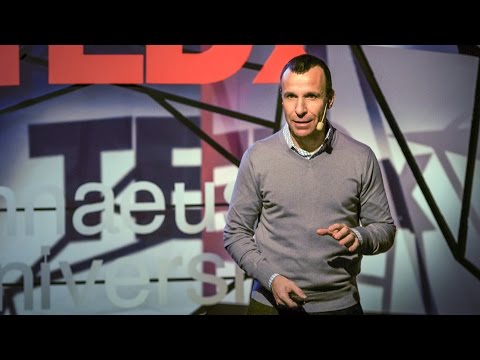
Why we all need to practice emotional first aid 17:14

Guy Winch (TEDxLinnaeusUniversity) · also on ted.com

Watch on YouTube ↗

Emotional Literacy

Understanding Emotions

Understanding Emotions 2:22

Plays first, as soon as the men are seated, before the Opening Circle.

Last week the head, this week the heart: the week's three steps (recognize, regulate, understand), why this is a life skill and not therapy, and what today holds; it ends on the check-in question (a specific emotion, not just good or fine).

Download video · 9 MB

Anger Is the Bodyguard 2:02

Plays at the start of Part 2 of the Instruction segment (Anger as a Secondary Emotion).

Anger as a secondary emotion, the six emotions it covers up one at a time on screen, which emotions are safe to show in here, and the guide's phone-call example; it ends on "How many of you have lived that exact scenario, or something like it?"

Download video · 7 MB

For the facilitator

The one-page plan for the full two hours: when each video plays, the outside talk, and discussion questions.

Download insert · PDF

Outside talks — published by others, watch on YouTube (not hosted here)

Optional · on YouTube

The gift and power of emotional courage 16:38

Susan David (TED) · also on ted.com

Watch on YouTube ↗

Emotional Regulation

Emotional Regulation 2:43

Plays first, as soon as the men are seated, before the Opening Circle.

A recap of Session 7, then the escalation curve with its five stages lighting up as they are named and Stage 2 marked as the place to intervene, and "Regulation isn't weakness. Regulation is strategy"; it ends on the check-in question (a specific emotion from the wheel, and whether they tracked).

Download video · 8 MB

Breathe and Ground 2:31

Plays at the start of Part 2 of the Instruction segment (the 4-4-4 breathing technique).

Teaches 4-4-4 breathing and leads three full cycles with an animated guide and 38 seconds of silence, then leads 5-4-3-2-1 grounding one sense at a time with pauses; it ends on a when-to-use-which card (breathe, ground, STOP).

Download video · 7 MB

For the facilitator

The one-page plan for the full two hours: when each video plays, the outside talk, and discussion questions.

Download insert · PDF

Outside talks — published by others, watch on YouTube (not hosted here)

Optional · on YouTube

How to calm your anxiety, from a neuroscientist 7:18

Wendy Suzuki (TED) · also on ted.com

Watch on YouTube ↗

The Anger Beneath the Anger

The Anger Beneath the Anger 2:19

Plays first, as soon as the men are seated, before the Opening Circle.

The week's techniques belong to the men now; today goes underneath the anger; the guide's three options for pain (process, numb, convert); and no one is forced to share; it ends on the check-in question "What emotion have you been carrying this week that you haven't told anyone about?"

Download video · 8 MB

What Anger Covers 2:00

Plays at the start of Part 2 of the Instruction segment (The Emotions Anger Covers).

Shame, rejection, powerlessness and grief, one card each in the guide's words, then the guide's silence (12 seconds); it ends on "Naming the real emotion doesn't make you weak. It makes you honest."

Download video · 7 MB

For the facilitator

The one-page plan for the full two hours: when each video plays, the outside talk, and discussion questions.

Download insert · PDF

Outside talks — published by others, watch on YouTube (not hosted here)

Optional · on YouTube

Why we get mad — and why it's healthy 12:56

Ryan Martin (TED) · also on ted.com

Watch on YouTube ↗

Trauma Awareness

Understanding Trauma

Understanding Trauma 2:02

Plays at the start of the session, as the Opening Circle begins; the check-in round starts on its last card.

The guide's opening words for the week (two truths, you can step out, no one is forced to share, FORGE helps you understand trauma but does not treat it), today's plan and the week's message; ends on the check-in question held for 20 seconds.

Download video · 8 MB

Event, Experience, Effect 1:44

Plays at the start of Part 1 of the Instruction segment (What Trauma Actually Is), before the Three E's handout.

SAMHSA's Three E's on screen one at a time, trauma as a normal human response to abnormal circumstances, and survival strategies that outlast the danger; ends on "It keeps you responding to the past, even when you're living in the present."

Download video · 7 MB

For the facilitator

The one-page plan for the full two hours: when each video plays, the outside talk, and discussion questions.

Download insert · PDF

Outside talks — published by others, watch on YouTube (not hosted here)

Optional · on YouTube

How childhood trauma affects health across a lifetime 15:49

Nadine Burke Harris (TED) · also on ted.com

Watch on YouTube ↗

Trauma Responses in the Dorm

Trauma Responses in the Dorm 1:32

Plays at the start of the session, as the Opening Circle begins; the check-in round starts on its last card.

Acknowledges that the last session was heavy, recaps Session 10, names the four survival responses and today's plan; ends on the check-in question held for 20 seconds.

Download video · 9 MB

Fight, Flight, Freeze, Fawn 2:18

Plays at the start of Part 1 of the Instruction segment (The Four Trauma Responses), before the reference sheet.

Fight, flight, freeze and fawn on screen with what each looks like, why none is a weakness, and reacting vs. responding side by side; ends on "Look past the behavior. Ask: what was triggered?"

Download video · 10 MB

For the facilitator

The one-page plan for the full two hours: when each video plays, the outside talk, and discussion questions.

Download insert · PDF

Outside talks — published by others, watch on YouTube (not hosted here)

Coping and Safety

Coping and Safety 1:43

Plays at the start of the session, as the Opening Circle begins; the check-in round starts on its last card.

Recaps the week, asks what you do about it, and lists today's parts (safe and unsafe coping, self-care in here, trauma-aware not therapy, the Personal Safe Coping Card); ends on the gratitude-and-struggle check-in held for 20 seconds.

Download video · 8 MB

Safe Coping 2:18

Plays at the start of Part 1 of the Instruction segment (Safe vs. Unsafe Coping), before the coping handout.

Safe and unsafe coping side by side, the unsafe list in words only, then nine safe strategies over calm scenes; ends on "The question isn't whether you have options. It's whether you'll use them."

Download video · 15 MB

For the facilitator

The one-page plan for the full two hours: when each video plays, the outside talk, and discussion questions.

Download insert · PDF

Outside talks — published by others, watch on YouTube (not hosted here)

Optional · on YouTube

The three secrets of resilient people 15:56

Lucy Hone (TEDx) · also on ted.com

Watch on YouTube ↗

Active Listening and Communication

Active Listening

Active Listening 2:03

Plays first, as soon as the men are seated, before the opening circle.

Why this week turns outward, hearing versus listening, why survival mode makes listening hard, and today's plan; ends on the check-in questions, held 20 seconds.

Download video · 8 MB

The Five Components 2:25

Plays at the start of the Instruction segment "The 5 Components of Active Listening".

Attending, reflecting, clarifying, summarizing and validating, one at a time with the guide's examples; ends on "Which one do you think will be hardest for you?"

Download video · 12 MB

For the facilitator

The one-page plan for the full two hours: when each video plays, the outside talk, and discussion questions.

Download insert · PDF

Outside talks — published by others, watch on YouTube (not hosted here)

Suggested talk · on YouTube

5 ways to listen better 7:33

Julian Treasure (TED) · also on ted.com

Watch on YouTube ↗

Communication Styles

Communication Styles 2:51

Plays after the opening circle, at the start of the Instruction segment "The 4 Communication Styles".

Aggressive, passive, passive-aggressive and assertive, each with what it sounds like, where it comes from and what it gets you; ends on "Under stress, which style do you default to?", held 20 seconds.

Download video · 9 MB

“I” Statements 2:09

Plays at the start of the Instruction segment "'I' Statements vs. 'You' Statements".

"You" statements attack, "I" statements own; the formula and the guide's three situations side by side; ends on the formula, I feel ___ when ___ because ___.

Download video · 6 MB

For the facilitator

The one-page plan for the full two hours: when each video plays, the outside talk, and discussion questions.

Download insert · PDF

Outside talks — published by others, watch on YouTube (not hosted here)

Suggested talk · on YouTube

10 ways to have a better conversation 11:20

Celeste Headlee (TEDx) · also on ted.com

Watch on YouTube ↗

Giving and Receiving Feedback

Feedback 2:02

Plays first, as soon as the men are seated, before the opening circle.

Why feedback usually goes wrong, where most men have heard it before, and how FORGE sees it: feedback is a service; ends on the check-in question, held 20 seconds.

Download video · 9 MB

The SBI Model 2:07

Plays at the start of the Instruction segment "The SBI Model".

Situation, Behavior, Impact, with the guide's Marcus example built up piece by piece and the dorm example set against "You're lazy"; ends on "Three pieces. Every time."

Download video · 8 MB

For the facilitator

The one-page plan for the full two hours: when each video plays, the outside talk, and discussion questions.

Download insert · PDF

Outside talks — published by others, watch on YouTube (not hosted here)

Suggested talk · on YouTube

The secret to giving great feedback 4:48

LeeAnn Renninger (TED) · also on ted.com

Watch on YouTube ↗

Conflict Resolution Deep Dive

The FORGE Conflict Resolution Model

Tools, Not Reactions 2:09

Plays first, before the opening circle.

What Week 6 is for and the bridge from Weeks 2, 3 and 5 (thinking errors, the escalation curve, listening); ends on the check-in question: the last conflict you saw, and how well it went, 1 to 10.

Download video · 9 MB

The 5-Step Model and the Heat Scale 2:26

Plays at the start of the 5-Step Model deep dive (to 1:37); the rest (the heat scale) plays at the Heat Scale segment.

The five steps one at a time with the guide's techniques, then the four heat levels; ends on matching your response to the actual heat level.

Download video · 10 MB

For the facilitator

The one-page plan for the full two hours: when each video plays, the outside talk, and discussion questions.

Download insert · PDF

Outside talks — published by others, watch on YouTube (not hosted here)

Suggested talk · on YouTube

Finding confidence in conflict 11:27

Kwame Christian (TEDx) · also on ted.com

Watch on YouTube ↗

De-escalation Techniques

De-escalation 1:53

Plays first, before the opening circle.

Heat at 7 or 8 on the heat scale, why de-escalation works (logic doesn't reach a flooded brain), and today's pieces; ends on the prompt to recite the five steps, no handbooks.

Download video · 8 MB

Tactical Empathy 1:49

Plays at the start of the Tactical Empathy segment.

The cellie example with three responses side by side, what tactical empathy did, the five key phrases and the redirect; ends on 'Validate first. Redirect second.'

Download video · 5 MB

For the facilitator

The one-page plan for the full two hours: when each video plays, the outside talk, and discussion questions.

Download insert · PDF

Outside talks — published by others, watch on YouTube (not hosted here)

Suggested talk · on YouTube

How to speak so that people want to listen 9:44

Julian Treasure (TED) · also on ted.com

Watch on YouTube ↗

Optional · on YouTube

Interrupting Violence & Changing Mindsets length not confirmed

Cobe Williams (TEDx)

Watch on YouTube ↗

Mediation Skills

The Neutral Third Party 1:50

Plays first, before the opening circle.

What neutral means and does not mean, why taking sides ends a mediation, and 'You're not the judge. You're the mirror.'; ends on the check-in about body language since yesterday.

Download video · 7 MB

When Both Men Are Heated 1:40

Plays at the start of the Managing Two Escalated Parties segment.

The guide's five steps for two escalated parties, from 'separate first' to 'take a break'; ends on 'Many conflicts are resolved between mediation sessions, not during them.'

Download video · 8 MB

For the facilitator

The one-page plan for the full two hours: when each video plays, the outside talk, and discussion questions.

Download insert · PDF

Outside talks — published by others, watch on YouTube (not hosted here)

Suggested talk · on YouTube

A hostage negotiator on how to resolve conflict 10:10

Karleen Savage (TEDx) · also on ted.com

Watch on YouTube ↗

Accountability and Integrity

Personal Accountability

Personal Accountability 2:25

Plays at the start of the session, before the opening circle.

The move from skills to character, what accountability is not and what it is, and why it is liberation; it ends on the 1-to-10 check-in question, held for 20 seconds.

Download video · 8 MB

The Accountability Spectrum 2:22

Plays at the start of the Accountability Spectrum instruction segment.

The five levels from denial to full accountability with the guide's own examples; it ends on the private self-rating in the journal, held for 20 seconds.

Download video · 7 MB

For the facilitator

The one-page plan for the full two hours: when each video plays, the outside talk, and discussion questions.

Download insert · PDF

Outside talks — published by others, watch on YouTube (not hosted here)

Suggested talk · on YouTube

I was not born a murderer 15:22

Quan Huynh (TEDxSanQuentin) · also on ted.com

Watch on YouTube ↗

Integrity Under Pressure

Integrity Under Pressure 2:07

Plays at the start of the session, before the opening circle.

Integrity as values, words and actions that match, the gap where trust dies, and pressure revealing character; it ends on the check-in about last session's homework, held for 20 seconds.

Download video · 8 MB

The Four Tests of Integrity 1:45

Plays at the start of The 4 Tests of Integrity instruction segment.

The Mirror, Public, Child and Legacy tests, each lit in turn with the guide's questions; it ends on 'All of them are about who you actually are.'

Download video · 11 MB

For the facilitator

The one-page plan for the full two hours: when each video plays, the outside talk, and discussion questions.

Download insert · PDF

Outside talks — published by others, watch on YouTube (not hosted here)

Suggested talk · on YouTube

Should you live for your résumé ... or your eulogy? 4:47

David Brooks (TED) · also on ted.com

Watch on YouTube ↗

Optional · on YouTube

My daughter, my hero 7:44

Sam W. Johnson, Sr. (TEDxSanQuentin)

Watch on YouTube ↗

Making Amends and Moving Forward

Making Amends and Moving Forward 2:14

Plays at the start of the session, before the opening circle.

Why this session is not punishment, guilt vs. shame, and punitive vs. restorative accountability with its three questions; it ends on the one-word check-in, held for 20 seconds.

Download video · 7 MB

Living Amends 1:30

Plays at the start of the Amends vs. Apology instruction segment.

An apology is words, amends are action; when direct amends aren't possible, living amends; it ends on 'the past doesn't get the last word.'

Download video · 8 MB

For the facilitator

The one-page plan for the full two hours: when each video plays, the outside talk, and discussion questions.

Download insert · PDF

Outside talks — published by others, watch on YouTube (not hosted here)

Suggested talk · on YouTube

Am I not human? A call for criminal justice reform 7:22

Marlon Peterson (TED) · also on ted.com

Watch on YouTube ↗

Social Skills and Perspective-Taking

Empathy Development

Through Someone Else's Eyes 1:58

Plays first, as soon as the men are seated; the opening circle starts on the question it ends on.

Week 8 turns the lens outward, the bridge from last week (accountability requires empathy) and the four-viewpoints exercise. Ends on the check-in question.

Download video · 9 MB

Three Types of Empathy 2:27

Plays in the instruction segment, after the men have said what empathy means to them.

Cognitive, emotional and compassionate empathy with the guide's examples, and why empathy is a skill. Ends on "Where has a lack of empathy cost you?" for the minute of silent reflection.

Download video · 9 MB

For the facilitator

The one-page plan for the full two hours: when each video plays, the outside talk, and discussion questions.

Download insert · PDF

Outside talks — published by others, watch on YouTube (not hosted here)

Suggested talk · on YouTube

What prosecutors and incarcerated people can learn from each other 11:54

Jarrell Daniels (TED) · also on ted.com

Watch on YouTube ↗

Reading the Room

Reading the Room 1:43

Plays right after the opening check-in, at the start of Review and Reflection.

From empathy to reading the room: every group has structure, a mentor's first job is to read the room, and every man changes a room. Ends on "how long does it take you to know something is wrong?"

Download video · 10 MB

Seven Cues 2:27

Plays at the start of the nonverbal cues instruction.

The guide's seven nonverbal cues, lit one at a time, and "same skill, different purpose." Ends on the discussion question about the last time you read a situation correctly.

Download video · 10 MB

For the facilitator

The one-page plan for the full two hours: when each video plays, the outside talk, and discussion questions.

Download insert · PDF

Outside talks — published by others, watch on YouTube (not hosted here)

Suggested talk · on YouTube

How to start a movement 2:52

Derek Sivers (TED) · also on ted.com

Watch on YouTube ↗

Building Pro-Social Relationships

Healthy or Toxic? 2:28

Plays right after the opening check-in, at the start of Review and Reflection.

The week's progression, the hard truth about relationships, and the guide's six marks of a healthy relationship and six of a toxic one. Ends on the warning-signs question.

Download video · 9 MB

Calling In 1:57

Plays at the start of the FORGE Brotherhood and Accountability instruction.

"No matter what" loyalty against FORGE brotherhood, the six steps for holding someone accountable without destroying the relationship, and calling in against calling out.

Download video · 7 MB

For the facilitator

The one-page plan for the full two hours: when each video plays, the outside talk, and discussion questions.

Download insert · PDF

Outside talks — published by others, watch on YouTube (not hosted here)

Suggested talk · on YouTube

A father-daughter dance ... in prison 8:31

Angela Patton (TEDxWomen) · also on ted.com

Watch on YouTube ↗

Problem Solving and Decision Making

Problem-Solving Framework

Problem-Solving Framework 1:47

Plays after the opening circle, at the start of Review and Reflection.

Why the worst decisions happen in a few seconds and what this week builds instead; it ends on the guide's question about how fast your worst decision happened.

Download video · 9 MB

The Six Steps 2:14

Plays at the start of the Instruction segment on the 6-step model.

The FORGE 6-step problem-solving model on screen, step by step, then the five traps; it ends on "Practice it slowly before you can do it fast."

Download video · 8 MB

For the facilitator

The one-page plan for the full two hours: when each video plays, the outside talk, and discussion questions.

Download insert · PDF

Outside talks — published by others, watch on YouTube (not hosted here)

Suggested talk · on YouTube

The C.H.O.I.C.E.S Connection 15:17

Jon-Adrian Velazquez (TEDxSingSing) · also on ted.com

Watch on YouTube ↗

Decision Making Under Pressure

Decision Making Under Pressure 2:09

Plays after the opening circle, at the start of Review and Reflection.

What stress does to the brain, tunnel vision and the four defaults, and today's tools; it ends on "When the pressure hits, where does your body take you?"

Download video · 7 MB

The 10-10-10 Rule 1:48

Plays at the start of the 10-10-10 Rule segment.

The three 10-10-10 questions and the guide's two examples side by side; it ends on the pairs' quick-practice prompt.

Download video · 4 MB

For the facilitator

The one-page plan for the full two hours: when each video plays, the outside talk, and discussion questions.

Download insert · PDF

Outside talks — published by others, watch on YouTube (not hosted here)

Suggested talk · on YouTube

How stress affects your brain 4:00

Madhumita Murgia (TED-Ed) · also on ted.com

Watch on YouTube ↗

Consequential Thinking

Consequential Thinking 1:52

Plays after the opening circle, at the start of Review and Reflection.

Every decision sends out ripples to the people on the shoreline; it ends on "Who is standing on your shoreline?"

Download video · 7 MB

Four Kinds of Consequences 1:50

Plays at the start of the Short-Term vs. Long-Term Consequences segment.

Short-term and long-term, positive and negative, and the guide's worked example (escalate, or pause and walk away); it ends on "The choice that feels powerful in the moment is usually the one that costs the most over time."

Download video · 5 MB

For the facilitator

The one-page plan for the full two hours: when each video plays, the outside talk, and discussion questions.

Download insert · PDF

Outside talks — published by others, watch on YouTube (not hosted here)

Suggested talk · on YouTube

What comes after tragedy? Forgiveness 12:57

Azim Khamisa and Ples Felix (TED) · also on ted.com

Watch on YouTube ↗

Mindset and Purpose

Growth Mindset

Growth Mindset 1:53

Plays after the opening circle, at the start of Review and Reflection.

Week 10 as the capstone week: ten weeks of foundation, the week's question and what mindset, purpose and the stakeholder identity each give; it ends on "You have a foundation. Now what? Who do you become with it?"

Download video · 7 MB

Fixed Mindset, Growth Mindset 2:27

Plays at the start of the Instruction segment on fixed vs. growth mindset.

Carol Dweck's two mindsets side by side, fixed beliefs as stories, and the guide's four "yet" sentences; it ends on "What's a fixed-mindset belief you've carried?"

Download video · 7 MB

For the facilitator

The one-page plan for the full two hours: when each video plays, the outside talk, and discussion questions.

Download insert · PDF

Outside talks — published by others, watch on YouTube (not hosted here)

Suggested talk · on YouTube

How I learned to read — and trade stocks — in prison 10:53

Curtis "Wall Street" Carroll (TEDxSanQuentin) · also on ted.com

Watch on YouTube ↗

Optional · on YouTube

The power of believing that you can improve 10:10

Carol Dweck (TEDxNorrkoping) · also on ted.com

Watch on YouTube ↗

Finding Purpose

Finding Purpose 1:39

Plays after the opening circle, at the start of Review and Reflection.

Growth mindset gives the how but not the why; tools and discipline run out, purpose keeps you on the path; it ends on "When the old way is calling, what keeps you on the new path?"

Download video · 9 MB

Letter from My Future Self 2:18

Plays at the start of the Letter from My Future Self exercise.

One guided breath, the five-years-from-now questions with real pauses, then the six letter prompts on screen; it ends on all six prompts, to leave up during the writing.

Download video · 11 MB

For the facilitator

The one-page plan for the full two hours: when each video plays, the outside talk, and discussion questions.

Download insert · PDF

Outside talks — published by others, watch on YouTube (not hosted here)

Suggested talk · on YouTube

Why believe in others 4:22

Viktor Frankl (TED (Best of Web, 1972)) · also on ted.com

Watch on YouTube ↗

The Stakeholder Identity

The Stakeholder Identity 1:36

Plays after the opening circle, at the start of Review and Reflection.

The last session of new content: ten weeks of work, the week's question and its three answers, and the shift from I to we; it ends on the guide's "Who remembers it?" about the first thing the men heard in Session 1.

Download video · 7 MB

From Passenger to Stakeholder 2:16

Plays at the start of the Deep Dive on the Stakeholder Model.

Passenger, victim or stakeholder; what you don't control and what you do; the six shifts, step by step; it ends on "Nobody is coming to fix this place… That's you."

Download video · 8 MB

For the facilitator

The one-page plan for the full two hours: when each video plays, the outside talk, and discussion questions.

Download insert · PDF

Outside talks — published by others, watch on YouTube (not hosted here)

Suggested talk · on YouTube

It takes the hood to save the hood 10:30

Rudy Corpuz Jr. (TEDxSanQuentin) · also on ted.com

Watch on YouTube ↗

Integration and Review

Skills Integration Practice

Skills Integration Practice 1:44

Plays at the start of the session, before the Opening Circle.

Ten weeks of skills learned one at a time, and why real life asks for them all at once; the week ahead; it ends on the check-in question about your strongest skill and the one you're still working on.

Download video · 7 MB

Three Scenarios 1:38

Plays after the Opening Circle, at the start of Setup and Group Formation.

The five skills each scenario layers, the three scenarios by name, and the format step by step (hear it, analyze, role-play, rotate, debrief); it ends on "No spectators."

Download video · 7 MB

For the facilitator

The one-page plan for the full two hours: when each video plays, the outside talk, and discussion questions.

Download insert · PDF

Outside talks — published by others, watch on YouTube (not hosted here)

Suggested talk · on YouTube

Help for kids the education system ignores 11:43

Victor Rios (TED) · also on ted.com

Watch on YouTube ↗

Self-Assessment and Reflection

Self-Assessment and Reflection 2:19

Plays at the start of the session, inside the Opening Circle.

The three parts of the day, what to look for in ten weeks of journal entries, the questionnaire's 1-to-5 scale on screen, and the essay prompt; it ends on the check-in question about bringing your journal and looking back.

Download video · 6 MB

For the facilitator

The one-page plan for the full two hours: when each video plays, the outside talk, and discussion questions.

Download insert · PDF

Outside talks — published by others, watch on YouTube (not hosted here)

Suggested talk · on YouTube

The psychology of your future self 6:35

Dan Gilbert (TED) · also on ted.com

Watch on YouTube ↗

Peer Evaluation and Feedback

Peer Evaluation and Feedback 1:36

Plays at the start of the session, inside the Opening Circle.

Why honest feedback from men who have walked beside you for ten weeks is rare and valuable, and what today holds; it ends on the check-in question about how it feels to be about to receive it.

Download video · 7 MB

SBI and the Feedback Seat 1:59

Plays at the start of SBI Review and Feedback Setup.

The SBI model with the guide's examples, one strength and one growth area per peer, how the feedback seat works and the four ground rules; it ends on "One strength. One growth area. Specific, honest, respectful."

Download video · 6 MB

For the facilitator

The one-page plan for the full two hours: when each video plays, the outside talk, and discussion questions.

Download insert · PDF

Outside talks — published by others, watch on YouTube (not hosted here)

Optional · on YouTube

How to use others' feedback to learn and grow length not confirmed

Sheila Heen (TEDxAmoskeagMillyardWomen)

Watch on YouTube ↗
Phase 1 Assessment and Transition

Phase 1 Knowledge Check

The Knowledge Check 2:17

Plays at the start of the session, in the Opening, before the tests are handed out.

The guide's four points: not designed to trick you, 70% (21 of 30) to advance, you can retake it, and the format; it names the six areas covered but shows no questions or answers, and ends on "Any questions before you start?"

Download video · 7 MB

For the facilitator

The one-page plan for the full two hours: when each video plays, the outside talk, and discussion questions.

Download insert · PDF

Outside talks — published by others, watch on YouTube (not hosted here)

Suggested talk · on YouTube

How to practice effectively...for just about anything 4:35

Annie Bosler and Don Greene (TED-Ed) · also on ted.com

Watch on YouTube ↗

Portfolio Review

Portfolio Review 2:10

Plays in the Opening, right after the Knowledge Check results are shared.

How a portfolio presentation works (contents, highlights, self-assessment in about 8 minutes), that panel questions are a conversation and not an interrogation, and the eight portfolio items; it ends on the completeness check, "Open your portfolio. Is every piece there?"

Download video · 8 MB

For the facilitator

The one-page plan for the full two hours: when each video plays, the outside talk, and discussion questions.

Download insert · PDF

Outside talks — published by others, watch on YouTube (not hosted here)

Optional · on YouTube

There's more to life than being happy 12:08

Emily Esfahani Smith (TED) · also on ted.com

Watch on YouTube ↗

Phase 1 Celebration and Phase 2 Preview

Phase 1 Celebration 1:41

Plays at the start of the session, once everyone is seated, before the opening circle.

The guide's opening words ("Twelve weeks ago, you walked into this room as strangers"), the twelve weeks of Phase 1 on screen, and what today holds; it ends on the check-in question, "What does it feel like to be sitting here, at the end of Phase 1?"

Download video · 9 MB

Phase 2: Build Others 2:28

Plays at the start of the Phase 2 Preview segment, after the completion ceremony.

Why Phase 2 is harder, what a mentor does, the three phases and the six parts of Phase 2, and that real mentees come in Phase 3; it ends on "What questions do you have about Phase 2?"

Download video · 10 MB

For the facilitator

The one-page plan for the full two hours: when each video plays, the outside talk, and discussion questions.

Download insert · PDF

Outside talks — published by others, watch on YouTube (not hosted here)

Suggested talk · on YouTube

Every kid needs a champion 7:34

Rita Pierson (TED) · also on ted.com

Watch on YouTube ↗

The Mentor Identity

What Makes a Good Mentor

Phase 2: Build Others 3:08

Plays first, before the opening circle.

The whole of Phase 2 — from “How do I grow?” to “How do I help someone else grow?”, the road through Weeks 13–24, simulation training and what it takes to reach Phase 3. Ends on the opening-round question.

Download video · 11 MB

What Makes a Good Mentor 1:58

Plays at the start of What the Research Says.

MENTOR's five Elements of Effective Practice, the credible messenger model, and friend, authority figure and mentor side by side. Ends on “Have you ever had a mentor?”

Download video · 5 MB

For the facilitator

The one-page plan for the full two hours: when each video plays, the outside talk, and discussion questions.

Download insert · PDF

Outside talks — published by others, watch on YouTube (not hosted here)

Suggested talk · on YouTube

Attica prisoners and guards 10:11

Jemar Kelley, Donovan Jackson, E. Nowak and Peggy Vance (TEDxAttica) · also on ted.com

Watch on YouTube ↗

Mentor Boundaries

Mentor Boundaries 1:54

Plays as the Review and Bridge, after the opening circle.

Boundaries are not walls; what mentors do and don't do; the drowning man and the rope; the four times a mentor must break confidentiality. Ends on the question for the lists.

Download video · 7 MB

Scenario 3: The Bunkmate Asks 1:16

Plays at the start of the 10 Boundary Scenarios exercise — pause it on the question.

The guide's Scenario 3 acted out in a dorm. It stops on the pairs' question, then shows one way a mentor could answer, in the guide's words.

Download video · 7 MB

For the facilitator

The one-page plan for the full two hours: when each video plays, the outside talk, and discussion questions.

Download insert · PDF

Outside talks — published by others, watch on YouTube (not hosted here)

Suggested talk · on YouTube

Drowning in Empathy: The Cost of Vicarious Trauma 12:11

Amy Cunningham (TEDxSanAntonio)

Watch on YouTube ↗

The Parallel Process

The Parallel Process 1:56

Plays at the start of You Can't Give What You Don't Have.

The well that runs dry, why self-work never ends, the signs of secondary traumatic stress and self-care that works inside. Ends on “Does any of this sound familiar?”

Download video · 7 MB

For the facilitator

The one-page plan for the full two hours: when each video plays, the outside talk, and discussion questions.

Download insert · PDF

Outside talks — published by others, watch on YouTube (not hosted here)

Suggested talk · on YouTube

All it takes is 10 mindful minutes 9:07

Andy Puddicombe (TED) · also on ted.com

Watch on YouTube ↗

Teaching and Facilitation Skills

How Adults Learn

How Adults Learn 1:45

Plays first, before the opening circle.

The bridge from Week 13: the problem isn't the audience, it's the delivery; knowing something and teaching it are two different skills; what today holds. Ends on the check-in question: what was the most effective session in Phase 1, and what made it work?

Download video · 8 MB

Knowles' Four Principles 1:53

Plays at the start of Knowles' 4 Principles of Adult Learning.

Knowles' four principles of adult learning one at a time: why, experience, problem-solving and immediate application, each with the guide's “what this means for you.” Ends on the four principles.

Download video · 6 MB

For the facilitator

The one-page plan for the full two hours: when each video plays, the outside talk, and discussion questions.

Download insert · PDF

Outside talks — published by others, watch on YouTube (not hosted here)

Suggested talk · on YouTube

What incarcerated youth can teach teachers 18:11

Hilderbrand Pelzer III (TEDxDeerPark) · also on ted.com

Watch on YouTube ↗

Facilitation vs. Lecturing

Facilitation vs. Lecturing 2:09

Plays first, before the opening circle.

The biggest mistake new facilitators make, “to make easy,” and the lecturer and the facilitator side by side: if you explain it, they hear your answer; if you guide them, they own it. Ends on the check-in question about the practicum topic and confidence.

Download video · 7 MB

The Four People in Every Group 1:58

Plays at the start of Managing Group Dynamics.

The quiet one, the dominator, the disruptor and the skeptic, each shown in a discussion group with the guide's first moves for handling him. Ends on “Stay curious. Stay calm. Stay open.”

Download video · 10 MB

For the facilitator

The one-page plan for the full two hours: when each video plays, the outside talk, and discussion questions.

Download insert · PDF

Outside talks — published by others, watch on YouTube (not hosted here)

Suggested talk · on YouTube

Teach teachers how to create magic 6:40

Christopher Emdin (TED) · also on ted.com

Watch on YouTube ↗

Lesson Planning

Lesson Planning 1:45

Plays first, before the opening circle.

Next week's practicum and today's job: the four parts of every lesson, starting with the end in mind (the key word is “do”), and “the most important material is you.” Ends on the check-in question about observing as a facilitator.

Download video · 5 MB

The 4-Part Lesson 2:03

Plays at the start of The 4-Part Lesson Structure.

Hook, content, practice and debrief, each with the guide's examples and rules, then the 30-minute breakdown. Ends on “If you have to cut something, cut content. Never practice.”

Download video · 5 MB

For the facilitator

The one-page plan for the full two hours: when each video plays, the outside talk, and discussion questions.

Download insert · PDF

Outside talks — published by others, watch on YouTube (not hosted here)

Suggested talk · on YouTube

3 rules to spark learning 6:15

Ramsey Musallam (TED) · also on ted.com

Watch on YouTube ↗
Facilitation Practice

Teaching Practicum 1

Teaching Practicum 1 2:25

Plays at the start of the Opening, before the rubrics are handed out.

Today is the day: nerves, “you are the group,” training not performance, the 30-minute lesson, the rubric's five criteria and 1–4 scale, and vague against specific feedback. Ends on “One strength. One area for improvement. One question.”

Download video · 9 MB

For the facilitator

The one-page plan for the full two hours: when each video plays, and how it fits the session as written.

Download insert · PDF

Teaching Practicum 2

Teaching Practicum 2 1:31

Plays at the start of the Opening.

Day two of the practicum: the same rules and feedback round, everyone else participating then observing, and a preview of the debrief on common challenges. Ends on the question for the first group of presenters: any advice, any warnings?

Download video · 6 MB

For the facilitator

The one-page plan for the full two hours: when each video plays, and how it fits the session as written.

Download insert · PDF

Group Dynamics and Difficult Moments

Group Dynamics and Difficult Moments 2:08

Plays first, before the opening circle.

When things go sideways: the five moments that test every facilitator, each a test of composure, judgment and skill, practised today in a safe place. Ends on the check-in about the rubrics and how facilitation feels now.

Download video · 8 MB

Scenario 4: Someone Challenges You 1:51

Plays at the start of the Role-Play Block — pause it on the freeze question.

The guide's Scenario 4 acted out in a circle: a man calls thinking errors a way to blame the men. It freezes on “What's your first instinct?”, then shows one way a peer facilitator could handle it, in the guide's coaching points.

Download video · 9 MB

The Power of Silence 1:32

Plays at the start of The Power of Silence.

The fear of silence, the four silences a facilitator can use, and ten seconds of real silence to count through. Ends on “Use the silence.”

Download video · 6 MB

For the facilitator

The one-page plan for the full two hours: when each video plays, and how it fits the session as written.

Download insert · PDF

Motivational Interviewing Basics

The Spirit of MI

The Spirit of MI 1:42

Plays first, before the opening circle.

What to do when the person you're trying to help doesn't want help: where MI came from, the one-sentence version (their reasons, not yours) and the week ahead. Ends on “Has anyone ever tried to change your mind by arguing with you?”

Download video · 8 MB

The Four Principles of MI 2:11

Plays at the start of The Four Principles of MI.

Partnership, acceptance, compassion and evocation, one at a time in the guide's words, with all four on screen. Ends on the check for understanding: MI or advice?

Download video · 8 MB

For the facilitator

The one-page plan for the full two hours: when each video plays, the outside talk, and discussion questions.

Download insert · PDF

Outside talks — published by others, watch on YouTube (not hosted here)

Suggested talk · on YouTube

Empathy is not endorsement 10:42

Dylan Marron (TED) · also on ted.com

Watch on YouTube ↗

MI Skills for Mentors

MI Skills for Mentors 1:44

Plays first, before the opening circle.

From the why to the how: the rowboat, the four OARS skills one at a time, and why the hardest part is not giving advice. Ends on the rolling-with-resistance check-in.

Download video · 5 MB

Reflections 2:12

Plays at the start of OARS Skill 3: Reflections.

Simple and complex reflections side by side on the guide's two examples, and the three common mistakes. Ends on the triad practice.

Download video · 7 MB

A Full OARS Conversation 2:17

Plays at the start of the Integrated Practice — pause it on the question.

A mentee three weeks into FORGE says he's quitting. The video stops on the pairs' question, then shows a mentor using an open question, an affirmation, a reflection and a summary.

Download video · 10 MB

For the facilitator

The one-page plan for the full two hours: when each video plays, and how it fits the session as written.

Download insert · PDF

MI in FORGE Context

MI in FORGE 1:33

Plays first, before the opening circle.

Meeting someone where he is: the week so far, today's three situations, the readiness ruler, and MI as a practice, not a performance. Ends on the OARS homework check-in.

Download video · 6 MB

The Readiness Ruler 1:47

Plays at the start of The Readiness Ruler.

One question on a 1-to-10 scale, “What makes you a 4 and not a 1?”, the step up, and why a 4 is real. Ends on the two follow-ups.

Download video · 6 MB

Scenario 3: MI During Conflict Resolution 2:36

Plays in place of the live run of Scenario 3 in the Scenario Block — pause it on the question.

Ray and Deon's cold war over a dayroom seat. The video stops on “What's it really about?”, then shows a mentor using reflections, an open question and the readiness ruler with Ray.

Download video · 13 MB

For the facilitator

The one-page plan for the full two hours: when each video plays, the outside talk, and discussion questions.

Download insert · PDF

Outside talks — published by others, watch on YouTube (not hosted here)

Suggested talk · on YouTube

I grew up in the Westboro Baptist Church. Here's why I left 15:07

Megan Phelps-Roper (TED) · also on ted.com

Watch on YouTube ↗

Simulation Training Block 1a

Introduction to Simulations

Introduction to Simulations 2:15

Plays first, before the opening circle.

Simulation training in the guide's words: FORGE makes you do it, the firefighter who practices, why it's uncomfortable, and why every mistake in a simulation is one you don't make in real life. Ends on the check-in question.

Download video · 10 MB

How a Simulation Works 2:16

Plays at the start of How Simulations Work.

The six steps lighting up one at a time with their minutes, the freeze questions to the mentor and the group, and feedback that is coaching, not a pile-on. Ends on the six steps.

Download video · 7 MB

Freeze and Coach: A Demonstration 1:46

Plays at the start of the Freeze and Coach demonstration — pause it when it freezes on the question.

The guide's demonstration scene acted out: a mentor walks up tense, the scene freezes on the group's question, one piece of coaching in the guide's words, and the calmer replay.

Download video · 11 MB

For the facilitator

The one-page plan for the full two hours: when each video plays, the outside talk, and discussion questions.

Download insert · PDF

Outside talks — published by others, watch on YouTube (not hosted here)

Suggested talk · on YouTube

What I learned from going blind in space 18:08

Chris Hadfield (TED) · also on ted.com

Watch on YouTube ↗

Simulation 1 — Property Dispute Escalating to Threats

Simulation 1: Property Dispute 1:44

Plays first, before the opening circle.

Practice, not a test; what Simulation 1 tests; what the room watches for; the agreements still hold. Ends on the check-in question.

Download video · 5 MB

Simulation 1: The Radio 2:12

Plays at Simulation 1 Setup — stop on the pause card; play the rest after the first run's debrief.

Williams and Carter face to face over a missing radio, words and body language only; it stops on the mentor's question, then shows one way a mentor could step in, in the guide's words, and ends on the journal question.

Download video · 12 MB

For the facilitator

The one-page plan for the full two hours: when each video plays, the outside talk, and discussion questions.

Download insert · PDF

Outside talks — published by others, watch on YouTube (not hosted here)

Suggested talk · on YouTube

The walk from "no" to "yes" 18:28

William Ury (TEDxMidwest) · also on ted.com

Watch on YouTube ↗
Simulation 2 — Gossip and Reputation Damage

Simulation 2: Gossip and Reputation Damage 1:38

Plays first, before the opening circle.

Yesterday's dispute and today's scenario side by side; in here, gossip can be dangerous; what a mentor can't control and can't ignore; what this one tests. Ends on the check-in question.

Download video · 6 MB

Simulation 2: Thomas 2:39

Plays at Simulation 2 Setup — stop on the pause card; play the rest after the first run's debrief.

Thomas asks the mentor to talk to Jackson; it stops on the danger-level question, then shows validation, an open question and the answer to 'Don't tell staff', what a mentor can and can't do, and the Jackson layer for the second run.

Download video · 12 MB

For the facilitator

The one-page plan for the full two hours: when each video plays, the outside talk, and discussion questions.

Download insert · PDF

Outside talks — published by others, watch on YouTube (not hosted here)

Suggested talk · on YouTube

How to stay calm when you know you'll be stressed 12:10

Daniel Levitin (TED) · also on ted.com

Watch on YouTube ↗

More weeks on the way

Media for each week is added here as it is finished.